Digital Scholar · Knowledge Networks
Bo Xiang
 Nanjing University
I am a Ph.D. student in Information Resource Management at Nanjing University. My research explores how artificial intelligence reshapes healthcare knowledge, patent intelligence, business information mining, and scholarly communication. I am particularly interested in using large language models, bibliometrics, network analysis, and machine learning to uncover hidden structures in complex information systems.

Tracing knowledge, technology, and society through computational evidence.
My work connects information resource management with large language models, bibliometrics, patent intelligence, and healthcare knowledge systems.
AI in Healthcare
Computational health profiling, online health communities, medical agents, and patient-centered evidence extraction.
Knowledge Networks
Bibliometrics, scientometrics, topic modeling, collaboration networks, and scholarly communication.
Patent Intelligence
Patent theme mining, business information mining, innovation signals, and technology opportunity discovery.
Generative AI
LLM-enhanced knowledge discovery, evidence coding, machine learning interpretation, and research automation.
Education
-

National University of Singapore
Joint Ph.D. in Analytics and Operations Aug. 2026 - now
-
Nanjing University
Ph.D. in Information Resource Management Sep. 2024 - now
-

Nanjing Audit University
M.S. in Business Administration Sep. 2021 - Jul. 2024
-

East China University of Technology
B.S. in Mathematics and Applied Mathematics Sep. 2017 - Jul. 2021
Honors & Awards
- China National Scholarship 2024
- China National Encouragement Scholarship (Twice) 2020
- Special Grade Scholarship (Top 1%) 2020
- China Undergraduate Mathematical Contest in Modeling - Provincial Second Prize 2019
- The Interdisciplinary Contest in Modeling - Meritorious Winner 2019
- Teddy Cup National Data Mining Challenge - National Second Prize 2019
Experience
-

DiDi Digital
Data Analyst
-

Qinglan Education
Math Teacher
-

Geminno
Front-end Engineer
Service
- Reviewer of Scientific Data (Nature), Humanities and Social Sciences Communications (Nature), Scientific Reports (Nature), Journal of the Association for Information Science and Technology, Computers in Human Behavior, Journal of Medical Internet Research, Information Processing and Management, Scientometrics, Neurocomputing, Knowledge and Information Systems, Telematics and Informatics, Internet Research, Expert Systems with Applications, Data Mining and Knowledge Discovery,Tourism Management Perspectives, Frontiers in Psychology, PLOS One, Acta Psychologica, JMIR Medical Informatics, JMIR mHealth & uHealth, JMIR Pediatrics & Parenting, International Journal of Intelligent Computing and Cybernetics, Journal of Marketing Communications, Energy and Climate Change.
News
Selected Publications (view all )
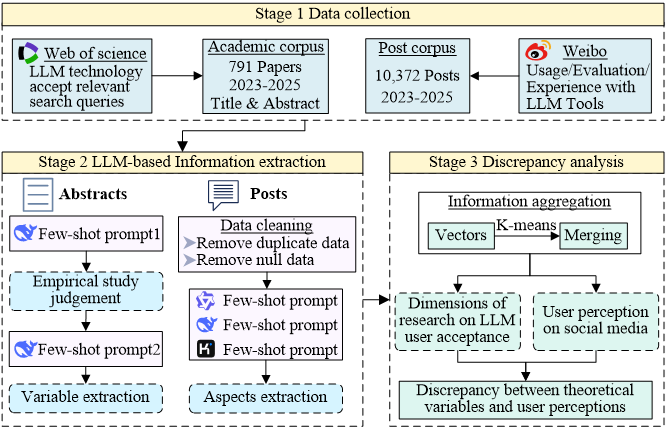
Revisiting User Acceptance of Large Language Models: Discrepancies Between Literature-Derived Dimensions and Social Media User Perceptions
Hongcheng Wei, Bo Xiang, Xihui Zheng, Jianlin Yang†(† corresponding author)
Association for Information Science and Technology 2026 Conference
With the widespread adoption of LLMs, understanding user usage behavior has become a critical issue. Existing studies, grounded in technology acceptance theory, rely on predefined surveys or experimental settings to identify influencing factors. They may fail to fully capture user concerns in real-world usage contexts, leading to discrepancies between theoretical dimensions and user perceptions. This study employs few-shot prompting to extract theoretical variables from research abstracts, identifying 25 variable clusters consolidated into five dimensions. In parallel, LLM-based text mining of Weibo user-generated content yields six dimensions (35 clusters). A systematic comparison between them is then conducted. The findings indicate that user perceptions of functional utility, performance, and cost or risk align with established variables, suggesting that technology acceptance frameworks retain explanatory power in the LLM context. However, users also emphasize interaction experience, emotional companionship, and technological ecosystem, which are underrepresented in existing models. Moreover, perceived usefulness is expressed in a context-specific manner. These results highlight the gap between theoretical dimensions and user perceptions and provide implications for extending acceptance frameworks and improving LLM system design.
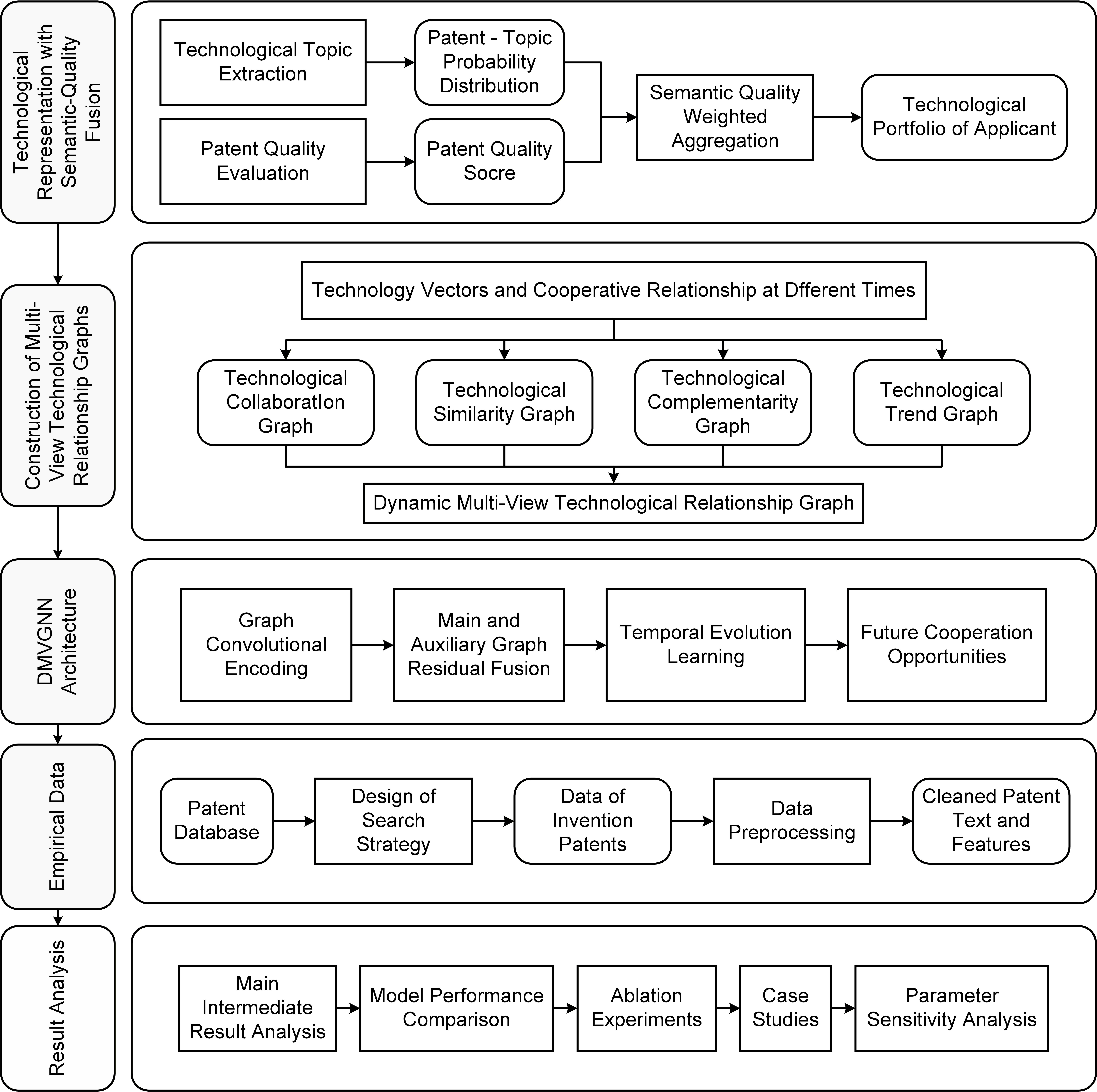
SQ-DMVGNN: Decoupling asymmetric technological relationships and fusing semantic-quality representations for dynamic collaboration forecasting
Bo Xiang, Zhaoping Yan, Hongcheng Wei, Jin Shi†, Dejian Yu†(† corresponding author)
Information Processing and Management 2026 Journal
Technological collaboration has become an important means of sharing technological risks and advancing key technological breakthroughs. However, existing studies often overlook patent value heterogeneity in technology representation and insufficiently integrate multiple technological drivers of collaboration, while also lacking effective modeling of their dynamic evolution. This study proposes a Dynamic Multi-View Graph Neural Network model based on Semantic and Quality fusion (SQ-DMVGNN). A semantic-quality fusion module is designed to project applicants’ textual semantic features and multidimensional quality attributes into a unified high-dimensional vector space, thereby capturing both technological semantics and patent quality. Then, the proposed framework constructs a dynamic multi-view graph structures to systematically decouple and integrate technological similarity, complementarity, and strategic trend, while modeling their evolution across time slices. Through the proposed framework, SQ-DMVGNN more accurately captures the multidimensional technological relationships underlying collaborations driven by high-quality technological resources, thereby improving both the performance and interpretability of collaboration prediction in dynamic environments. This study selects the representative semiconductor industry as empirical data, obtaining a total of 668,790 non-duplicated invention patents. Experimental results demonstrate that integrating patent quality into technological portfolios enables a more precise differentiation of technological heterogeneity among organizations. Compared with baseline methods grounded in different principles, the proposed model generally achieves near-optimal performance across major evaluation metrics, particularly in AUC, AP, MRR, and Hits@K. Ablation studies not only validate the effectiveness of each auxiliary view, temporal module, and patent quality, but also investigate model substitutions. Moreover, our work conducts parameter sensitivity analyses across different modules, verifying the stability of technological knowledge extraction and collaboration prediction.
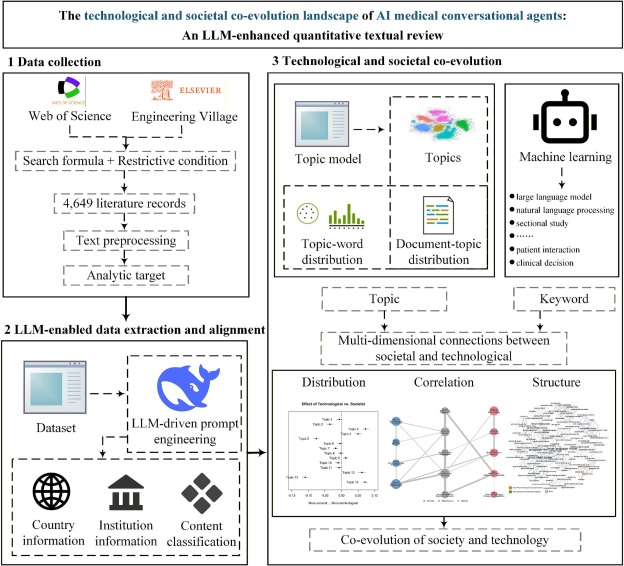
The technological and societal co-evolution landscape of AI medical conversational agents: An LLM-enhanced quantitative textual review
Bo Xiang, Zhaoping Yan, Hongcheng Wei, Jin Shi†(† corresponding author)
Expert Systems With Applications 2026 Journal
As an interdisciplinary product of artificial intelligence (AI), medical informatics, and human-computer interaction, AI medical conversational agents integrate cutting-edge technologies such as large language models (LLMs) and intelligent agents. Consequently, their application has given rise to numerous complex socio-ethical challenges. Grounded in sociotechnical system theory, this research constructs a mixed bibliometric framework integrating LLM, topic modeling, and social network analysis, which is used to explore the co-evolution landscape of technology and society in the field of AI medical conversational agents. In particular, a total of 4,649 domain-relevant bibliographic records are collected from the Web of Science and Engineering Village. Then, a hybrid architecture combining LLM-based agents and human verification is applied to data cleaning and alignment. Leveraging the language comprehension capabilities of LLMs, relevant literature is mapped into societal and technological dimensions, aligning with the sociotechnical system theory. The evaluation demonstrates that the few-shot approach yields better performance than the zero-shot approach across accuracy, precision, recall, and F1-score. Structural topic model is employed to construct a knowledge map comprising 5 main domains and 14 key research themes in the field of AI medical conversational agents. Based on the social and technical categorization of the literature, these topics are delineated into technological, societal, and neutral types. The topic correlation network reveals dense intra-category connections, whereas direct linkages between societal and technological topics are sparse, relying primarily on intermediate topics for bridging. Combining keyword-based analysis with the disciplinary classification of literature, this study unveils the intrinsic mechanism of the socio-technological co-evolution landscape. Notably, themes revolving around interactive experience and clinical utility serve as the primary bridges connecting social and technical subsystems. Overall, this study proposes a methodological framework integrating LLMs for bibliometric analysis, providing fresh insights into the critical domain of AI medical conversational agents.
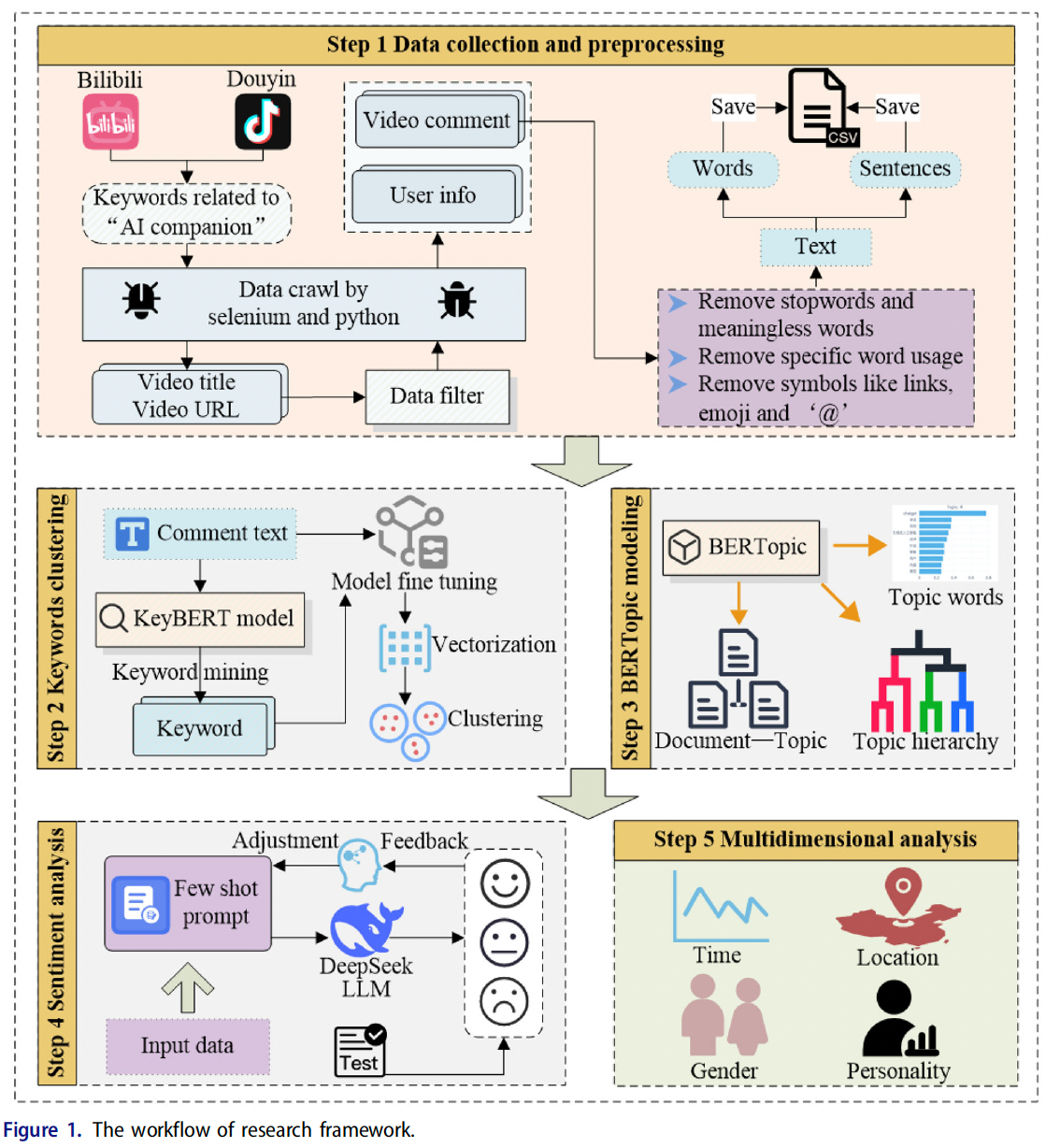
Emotional comfort or technological delusion? An exploration of public perceptions and attitudes toward AI companions based on video social medias
Hongcheng Wei, Bo Xiang, Xihun Zheng, Jianlin Yang†(† corresponding author)
International Journal of Human-Computer Interaction 2026 Journal
AI companions, driven by artificial intelligence, are increasingly embedded in users’ daily lives via anthropomorphic and interactive conversational experiences. Although these systems can offer emotional support, they also raise concerns regarding algorithmic bias or data security. A comprehensive understanding of public perceptions is therefore essential for promoting healthy human-AI relationships. This paper investigates public perceptions of AI companions using 613 videos and 33,133 comments from two video platforms. Combining text mining and large language model-based sentiment analysis, it examines public topics and sentiment patterns regarding AI companions from multiple dimensions. Public attention surged after generative AI’s rise in 2023, with a pronounced “East-West divide” in user engagement. Discussions cover society (role substitution, family) and technology (companionship, anthropomorphism), with notable differences in the topics between men and women, and overall sentiment is positive. Moreover, personality traits also influence attitudes. By comparing these results with existing studies, it highlights how Chinese cultural contexts shape public perceptions. Drawing on diverse user-generated data from video platforms, the study offers valuable insights for the better design, marketing, and policymaking of AI companions.
A hybrid embedding method for identifying technology evolution paths of patents: The case on battery electric vehicle industry
Zhaoping Yan, Bo Xiang, Jin Shi†(† corresponding author)
IEEE Transactions on Engineering Management 2025 Journal
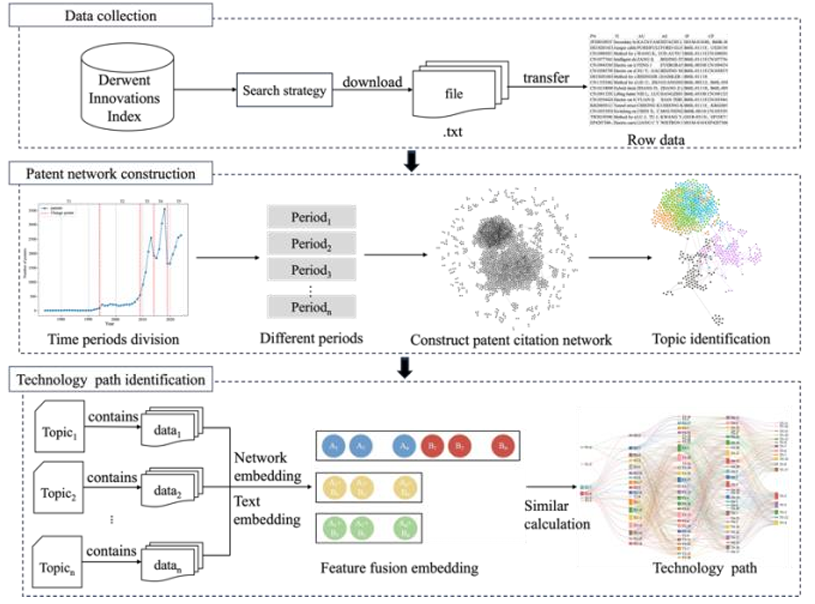
Tracking technology evolution paths is crucial for understanding innovation dynamics. However, current studies frequently only use text-based methods, which limit their capacity to capture the structural linkages found in technology knowledge. To address this gap, this study proposes an integrated framework that combines text embedding and network embedding to analyze technology evolution paths. Using a dataset of 35983 patents in the battery electric vehicle (BEV) domain, we extract high-dimensional semantic features from patent texts while simultaneously capturing structural relationships between patents by constructing a heterogeneous information network. By fusing these two embeddings, we construct technology evolution paths based on cosine similarity measures. The proposed method effectively reveals knowledge diffusion patterns and emerging technology trends. In addition, through pair sample t-test and topic coherence analysis, we found that the proposed method identifies more comprehensive technology evolution trajectories.
Detecting technology opportunities appropriate for enterprise R&D: The synthesis analysis of industrial technical windows and enterprise competition relations
Bo Xiang, Zhuoya Pan, Dejian Yu†, Wenjin Zuo(† corresponding author)
Technology in Society 2025 Journal
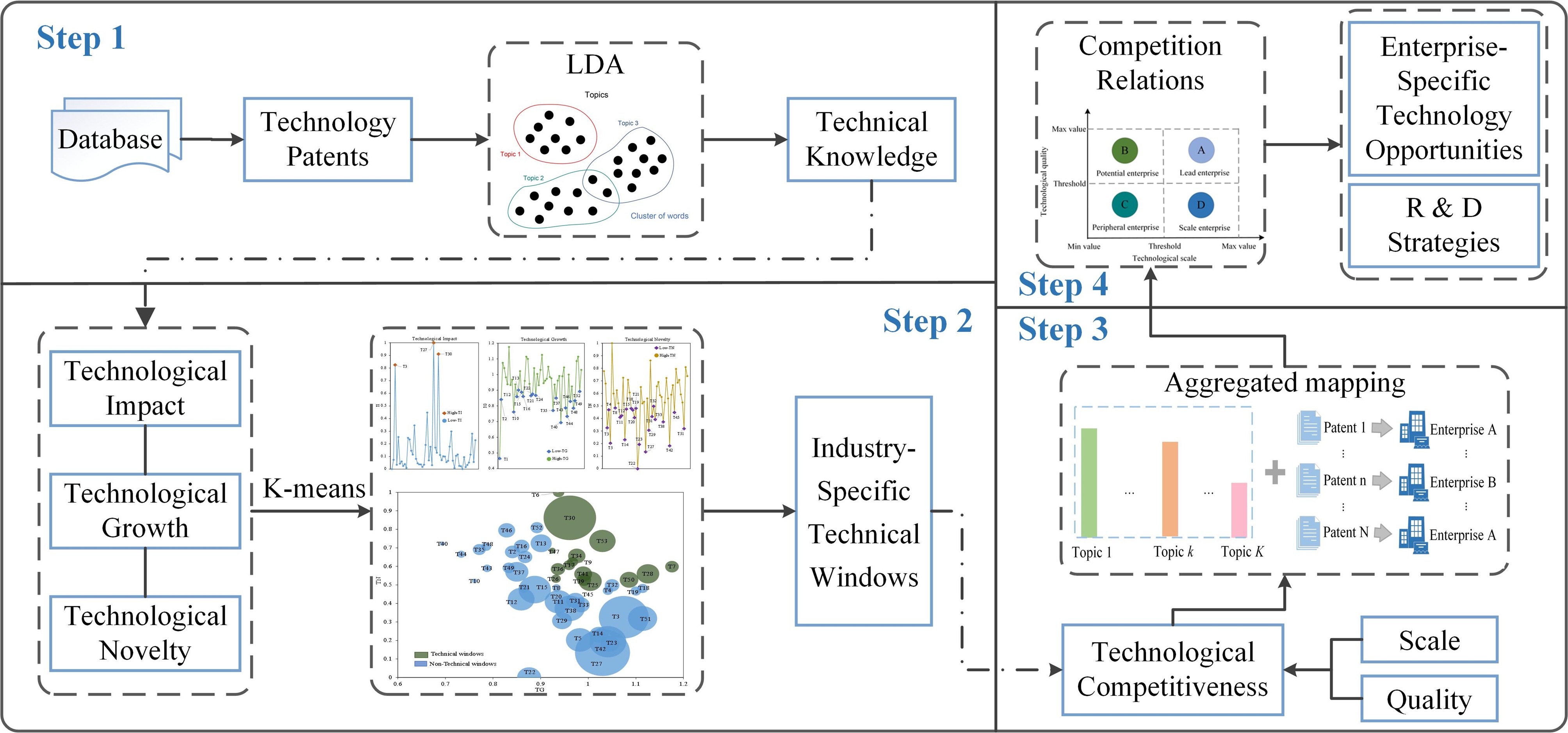
Technological opportunities (TOs) are the potential and set of possibilities for technology advances in a given industry. When enterprises are able to catch and adapt to them in a timely manner, they can grab market share from competitors who have failed to adapt to these challenges. However, when there exist large gaps between enterprises and their competitors, it should be carefully evaluated whether enterprise-specific TOs are worth exploring. Moreover, faced with diversified competitive relations, enterprises also need to formulate differentiated research and development (R&D) strategies for different TOs. To address these research gaps, this paper argues for the theoretical concepts of technical windows (TWs), emerging technologies (ETs), and TOs, and proposes a three-stage framework to detect enterprise-specific TOs.
Customized integrated decision model for CBEC enterprise credit evaluation: The fusion of multi-source features and machine learning
Dejian Yu, Bo Xiang†(† corresponding author)
Electronic Markets 2025 Journal
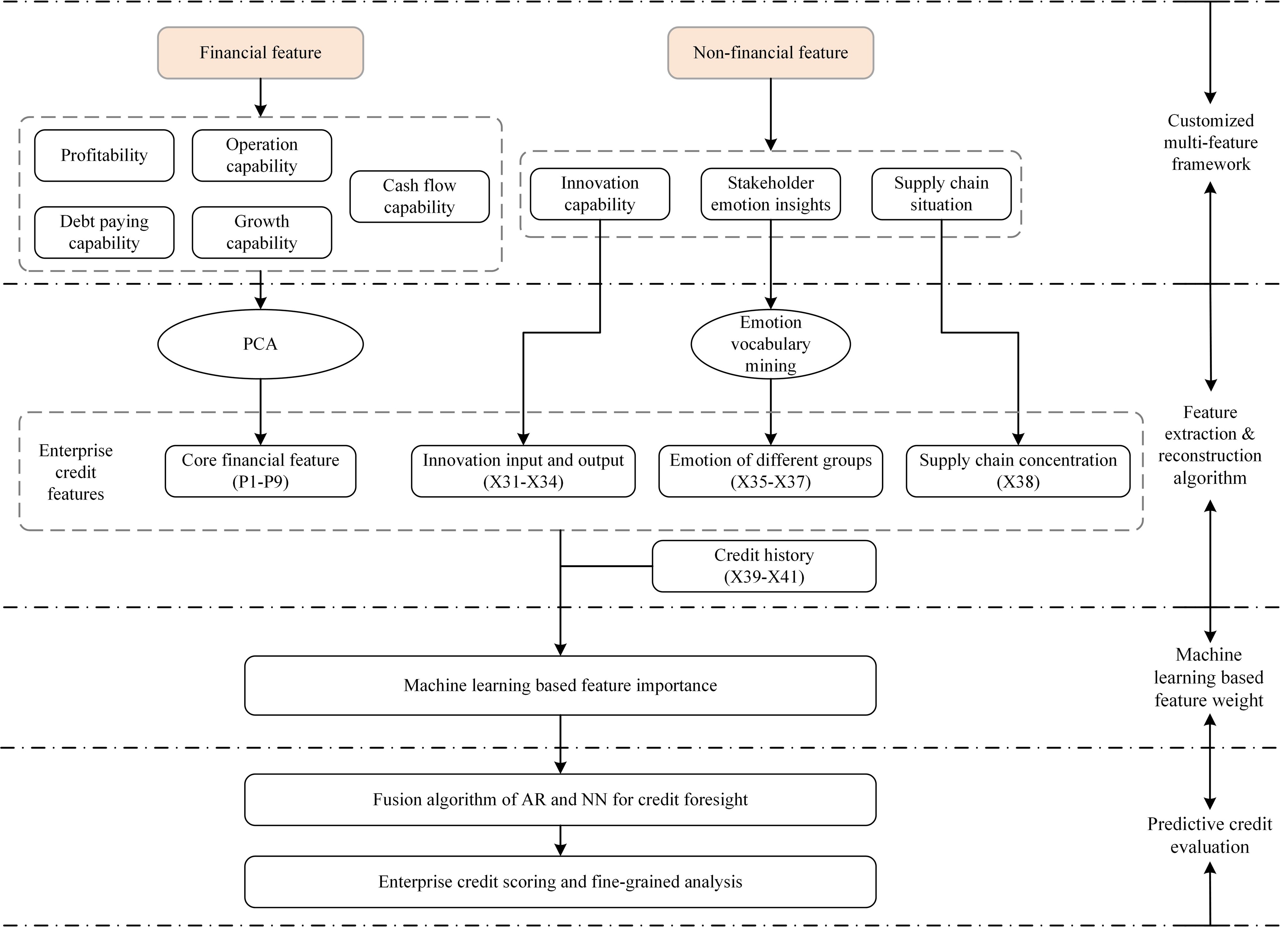
The cross-border e-commerce (CBEC) industry plays a crucial role in the transformation of foreign trade and the upgrading of innovative development, driven by information technology and international trade policies. However, the distinctive operational pattern of CBEC enterprises necessitates the customization of the corporate credit evaluation framework to their specific features, which is absent in the existing studies. This paper proposes an integrated decision framework that incorporates multi-source features and machine learning algorithms to achieve customized credit evaluation for CBEC enterprises.
Theoretical framework on synergistic mechanism and extraction strategy of scientific and technological knowledge driven by data-intelligence
Bo Xiang, Zhaoping Yan, Zhuoya Pan, Dejian Yu, Jin Shi†(† corresponding author)
Journal of Information Resources Management 2025 Journal
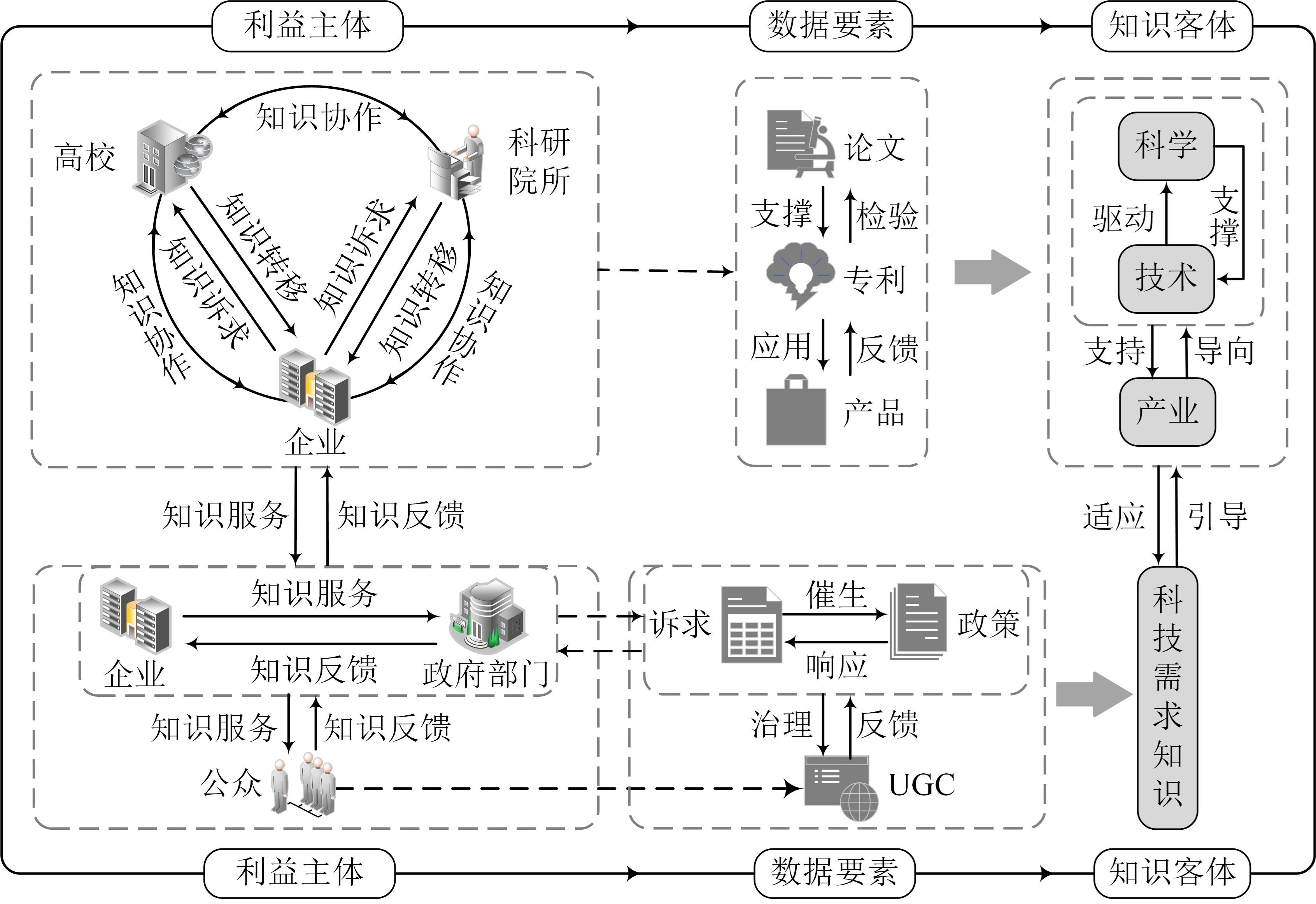
It is the important issue to promote the value realization of data elements through clarifying the multiple stakeholders and multi-source heterogeneous data of scientific and technological knowledge, and their synergistic mechanism, as well as delineating the knowledge extraction paths empowered with big data and intelligent technology. Based on the process of data-to-wisdom derivation in the DIKW chain, a synergistic framework of scientific and technological knowledge involving multiple stakeholders, such as universities, research institutes, enterprises, government and the public, has been constructed, covering multi-source data such as papers, patents, products, policies and user-generated content. Then, the front-end and back-end structures of scientific and technological knowledge extraction paths are expanded, as well as the knowledge extraction outcomes and their diverse service scenarios under intelligent strategy combination patterns are explored.
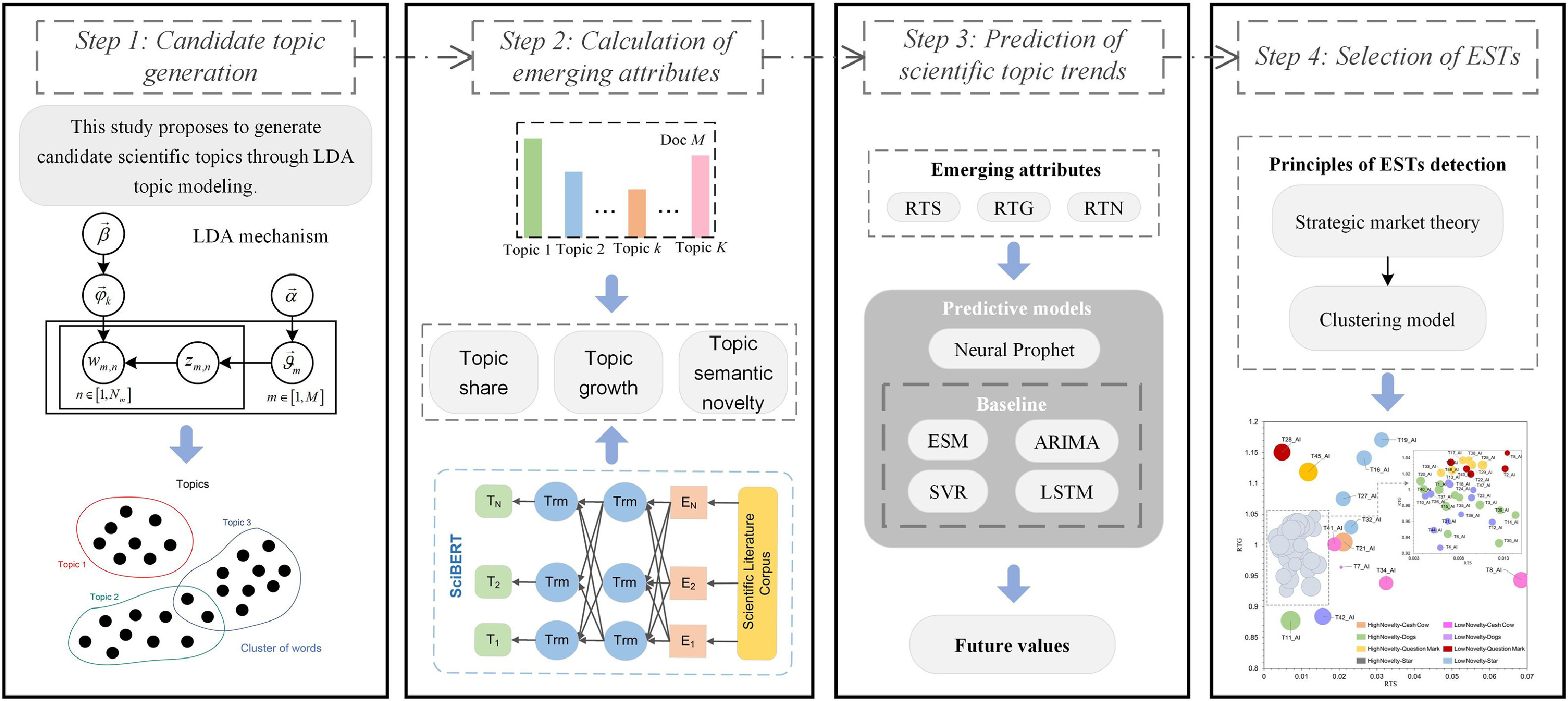
An ESTs detection research based on paper entity mapping: Combining scientific text modeling and neural prophet
Dejian Yu, Bo Xiang†(† corresponding author)
Journal of Informetrics 2024 Journal
Existing studies on the detection of emerging scientific topics (ESTs) overemphasize the newness and neglect content innovation of knowledge. Moreover, they also ignore the lag existing in knowledge diffusion. In this paper, we propose a four-stage detection framework for ESTs that maps emerging attributes from paper entities to scientific topics.
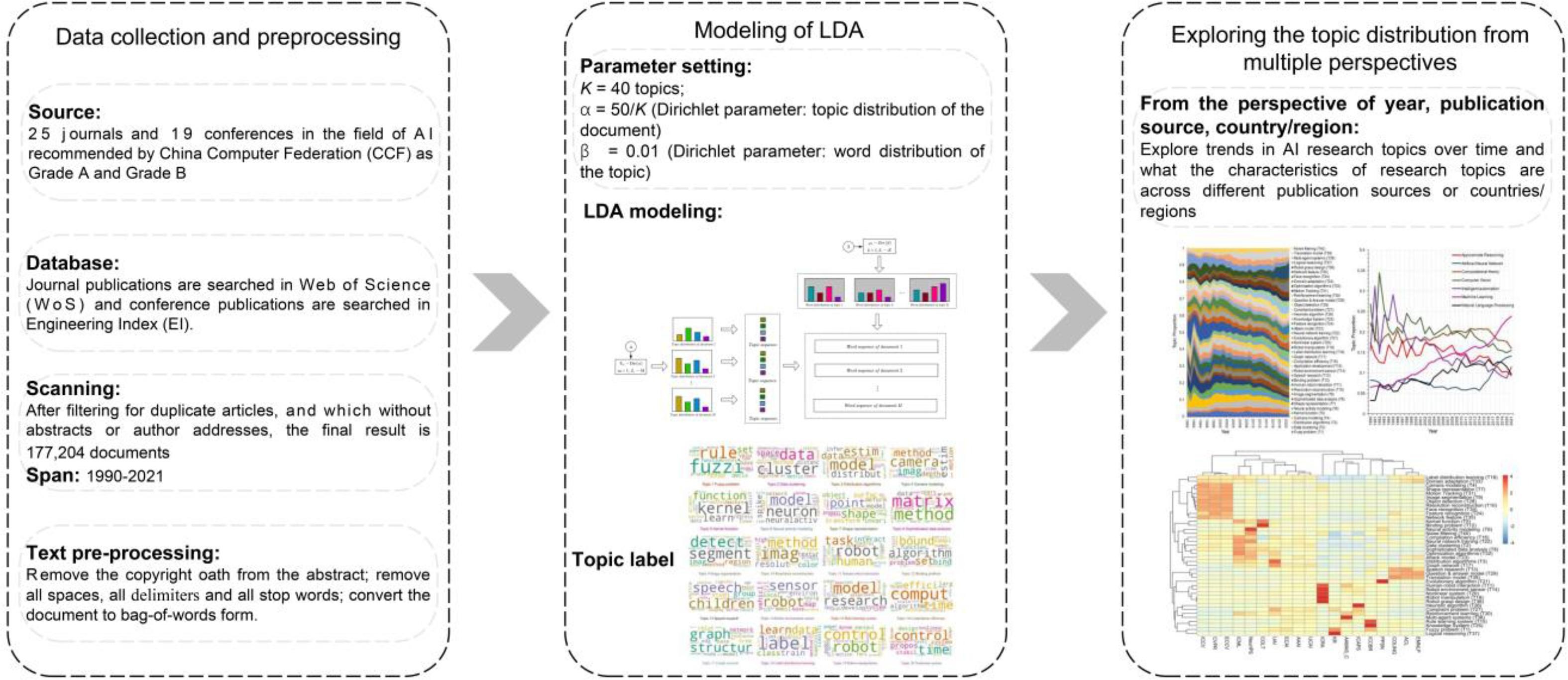
Discovering topics and trends in the field of Artificial Intelligence Using LDA topic modeling
Dejian Yu, Bo Xiang†(† corresponding author)
Expert Systems with Applications 2023 Journal
Artificial Intelligence (AI) has affected all aspects of social life in recent years. This study reviews 177,204 documents published in 25 journals and 16 conferences in the AI research from 1990 to 2021, and applies the Latent Dirichlet allocation (LDA) model to extract the 40 topics from the abstracts. This study aggregates the results of the LDA model from the perspectives of year, publication source, and country/region. The aggregated result is the topic distribution from different perspectives. Analysis of the aggregated results reveals the research characteristics of different publication sources (countries/regions) in the AI research, and which publication sources (countries/regions) have similar research content. These results provide help for scholars and research institutions to choose research directions, and new entrants to understand the dynamics of the field.